
Imagine stepping into a bedroom where every sheet, pillow, and curtain carries a clean, calming scent — one that feels natural rather than chemical. If you’ve ever wondered how to make a linen freshener at home, the answer lies in simple, natural ingredients that refresh without overwhelming. Many of you are moving away from artificial sprays and harsh synthetic fragrances, looking instead for gentle, plant-based alternatives to keep your linens fresh. A homemade linen freshener offers that comforting balance: it revitalizes fabrics while aligning with your desire for a cleaner, more sustainable home environment, leaving behind nothing but a soft, natural veil of fragrance.
How to make a linen freshener at home?
Understanding how to make a linen freshener at home is simple, inexpensive, and gives you full control over both the scent and the ingredients used. With just a few natural components — such as essential oils, baking soda, and distilled or filtered water — you can easily create a spray that leaves your fabrics smelling clean and refreshed.
Scents like lavender help calm the senses, lemon adds a bright citrus freshness, and peppermint introduces an energizing touch. For best results, always use distilled or filtered water to prevent mineral buildup and extend the spray’s shelf life, ensuring your homemade blend remains fresh, effective, and gentle on fabrics.
Simple baking soda recipe
To create a natural fabric and linen spray using baking soda, you’ll need:
- 1 cup of distilled or filtered water
- 1 tablespoon of baking soda
- 10–15 drops of your preferred essential oil (or a blend of oils)
- A small spray bottle
Steps:
- In a mixing bowl, dissolve baking soda in the water, stirring until fully combined.
- Add the essential oils, adjusting the number of drops depending on how strong you want the scent.
- Transfer the mixture into the spray bottle using a funnel.
- Shake well before each use and lightly mist over linens, curtains, or upholstered surfaces to freshen them.
Alcohol-based alternative
If you prefer a fresher, quicker-drying option, rubbing alcohol can replace baking soda. You’ll need:
- ½ cup of rubbing alcohol (or vodka)
- ½ cup of distilled or filtered water
- 10–15 drops of essential oil
- A clean spray bottle
Steps:
- Pour the rubbing alcohol into the spray bottle first, then add the essential oils.
- Shake gently to help the oils mix evenly.
- Add the water, close the bottle tightly, and shake again before each use.
- Lightly spray onto fabrics or into the air to eliminate odors and refresh rooms instantly.
Tips for safe and effective use
- Always test the spray on a small, hidden fabric area before general use.
- Store the bottle in a cool, dark place to preserve the scent and ingredients.
- Shake well before each application to ensure even distribution of oils.
- Avoid using on delicate fabrics like silk or specialty upholstery.
- Use within two to three months for best freshness and effectiveness.
What are the sensory and wellbeing benefits?
When learning how to make a linen freshener at home, it’s important to understand that a linen freshener — whether homemade or store-bought — does far more than simply mask odours. It renews the feeling of cleanliness throughout your living space, enhances the perceived softness of fabrics, and creates an airy, inviting atmosphere. Each gentle spray adds a touch of care and freshness, transforming ordinary linens into something more comforting, vibrant, and thoughtfully maintained.
Sensory enhancement benefits
Using a linen freshener offers a noticeable lift to your everyday surroundings through small yet meaningful sensory details:
- It neutralizes lingering odors, replacing them with gentle, pleasing scents that refresh the space.
- It enhances the tactile experience of fabrics, leaving them soft, smooth, and ready to use.
- It makes rooms feel lighter and more open by subtly purifying the air and improving its feel.
- It adds a finishing touch of freshness that signals cleanliness and nurtures a sense of order.
- It enriches daily rituals—like making the bed or folding laundry—with a calm, sensory reward.
Wellbeing and mood influence
Beyond physical freshness, the gentle aromas of a linen spray can influence emotional balance and inner calm, nurturing a peaceful environment at home:
- Natural scents such as lavender can promote relaxation, helping to reduce tension and ease stress.
- Subtle, clean fragrances can uplift the mood, sparking feelings of comfort and positivity.
- The act of refreshing fabrics and air can create a sense of renewal, supporting emotional clarity.
- Pleasant smells are often linked with energy and motivation, subtly improving focus and productivity.
- The combination of a clean environment and soothing scent enhances overall well-being, turning homes into tranquil, restorative spaces.
How does homemade compare to store options?
- Homemade Linen Freshener
- Main Ingredients: Distilled water, baking soda, pure essential oils
- Additives & Preservatives: None
- Fragrance Source: Naturally derived essential oils
- Overall Nature: 100% natural and fully customizable
- Store-Bought Fresheners
- Main Ingredients: Water base, synthetic fragrance compounds, stabilizers
- Additives & Preservatives: Preservatives and emulsifiers
- Fragrance Source: Artificial or blended fragrances
- Overall Nature: Chemically enhanced for longer shelf life
When exploring how to make a linen freshener at home, you’ll notice that homemade linen sprays rely on simple, recognizable ingredients. They deliver a clean, natural scent without leaving behind heavy chemical residues.
In contrast, commercial options often include stabilizers and synthetic fragrance compounds to maintain consistency, enhance scent projection, and extend shelf life. While these additions improve longevity and performance, many people prefer homemade blends for their transparency, simplicity, and gentle nature.
Usage and effect comparison
- Fabrics & Curtains
- Homemade freshener: Ideal for refreshing textiles between washes and leaves a subtle, natural aroma.
- Store-bought freshener: Effective for quick odor masking, though some formulas may leave residue.
- Bed Sheets & Pillows
- Homemade freshener: Gentle enough for daily use and suitable for sensitive fabrics.
- Store-bought freshener: Provides a stronger scent but may include chemicals that require airing out.
- Air & Room Sprays
- Homemade freshener: Can be lightly used in small spaces for a soft, fresh breeze.
- Store-bought freshener: Dedicated formulas like Citrus Magic are designed for stronger air purification.
- Personal Care & Wellness
- Homemade freshener: Some recipes with flaxseed base or specific essential oils may support relaxation.
- Store-bought freshener: Not recommended for direct skin or body use due to synthetic additives.
While both products help refresh living spaces, homemade sprays lean toward versatility and natural gentleness. Store versions, however, bring practicality and stronger performance for larger areas or longer-lasting fragrance.
Pros and cons
Pros of Homemade Fresheners:
- Allow full control over the scent and ingredient type.
- Contain no harsh chemicals, making them safer for sensitive fabrics and skin.
- Offer an eco-friendly and cost-effective alternative for daily freshness.
Cons of Homemade Fresheners:
- Have a shorter shelf life since they lack preservatives.
- Require shaking before each use to keep ingredients blended.
- May cause light staining if patch testing is skipped or the oil concentration is high.
Pros of Store-Bought Fresheners:
- Convenient, ready to use, and stable for months.
- Provide consistent scent intensity with minimal effort.
Cons of Store-Bought Fresheners:
- Contain synthetic compounds that may irritate sensitive users.
- Limited customization options and can be less eco-conscious.
This comparison highlights the trade-off between natural purity and commercial efficiency when deciding how to make a linen freshener at home or choosing an off-the-shelf option.
What are the best linen freshener products?
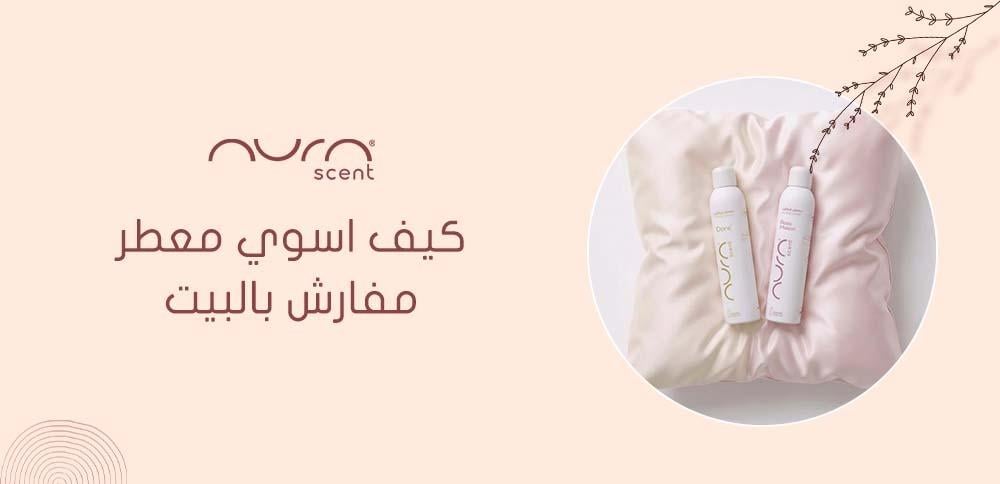
If you’re exploring how to make a linen freshener at home, you may appreciate the simplicity and personalization that DIY blends offer. However, for those who prefer a more refined and professionally balanced scent, Aura Scent’s collection of linen and home sprays provides an elevated alternative. Each product is thoughtfully crafted to balance freshness with sophistication, creating an inviting atmosphere that lingers gently without overpowering the space. For anyone looking to move beyond homemade options, these curated sprays from Ramadan Collections deliver a polished fragrance experience designed to enhance every corner of the home with effortless elegance.
Dore – Linen Spray
Dore is a versatile linen spray that blends vibrant citrus fruits like grapefruit, tangerine, lemon, and orange with the soft floral notes of jasmine and rose. Hints of apple, strawberry, and peach add a light, sweet touch, while the base of white musk, cashmere wood, cedarwood, vanilla, and caramel gives warmth and depth.
Available in a 300 ml bottle, this spray is suitable for beds, linens, pillows, sofas, curtains, and other fabrics. It leaves a clean, refreshing scent that delicately clings to textiles, turning routine moments into calm, fragrant experiences. Perfect for anyone who enjoys a subtle, daily sense of freshness.
Home Spray Bundle
The Home Spray Bundle combines two distinctive fragrances in convenient 300 ml bottles: Rosa Maison, offering a gentle floral and fruity charm, and Dore, with its lively citrus-fruity notes balanced by a soft, warm base. Both are designed for effortless use on fabrics and throughout living spaces.
This bundle allows variety—perfect for alternating scents to match your mood or the season, while maintaining a consistently inviting home ambience. Modern packaging and free shipping on qualifying orders make it an appealing and practical fragrance set for any household.
FAQs about How to make a linen freshener at home
How to make linen freshener?
Place a small funnel over an open spray bottle and pour in ¼ cup of witch hazel or rubbing alcohol. Add about 40 drops of your favorite essential oil, then fill the rest with distilled water. Close the bottle, shake well, and it’s ready to use. This easy method helps you keep your linens lightly scented and refreshed anytime.
How to make a home smell like fresh linen?
To enjoy a continuous fresh linen aroma around your house, hang linen sachets infused with lavender or essential oils in closets or drawers. Add a few drops of oil every now and then to refresh the scent. This natural approach keeps your home smelling clean and inviting without artificial sprays.
What ingredients make your house smell good?
A few simple ingredients can make a big difference. Baking soda, essential oils, and water create an effective DIY mixture that neutralizes unpleasant odors while spreading a gentle, pleasant aroma throughout your home.
Conclusion
Learning how to make a linen freshener at home allows you to enjoy a natural, budget-friendly way to keep fabrics smelling clean and inviting. It’s a simple, rewarding craft that adds a personal touch to your daily routine while giving you full control over the ingredients and fragrance profile.